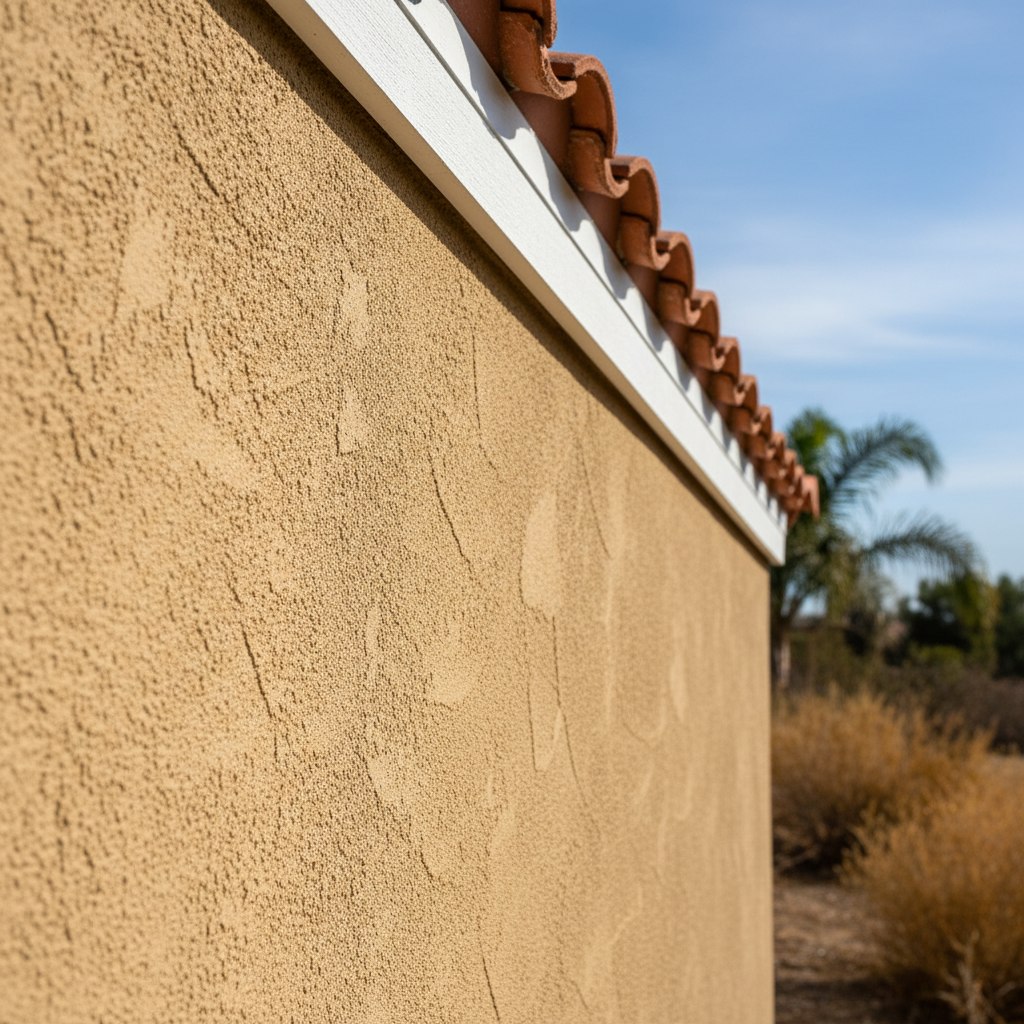
EIFS Installation: What Pasadena Homeowners Really Need to Know
So, you're thinking about EIFS for your home. Maybe you've heard it's great for insulation, or you just like how it looks. EIFS, which stands for Exterior Insulation and Finish System, is a really good product – when it's installed correctly, that is. And "installed correctly" is the big deal here, especially with our unique Pasadena weather. Those hot, dry summers and then the occasional heavy rains? They can really put a building's exterior to the test.
You might be wondering if this is a project you can tackle yourself, or if it's really just for the pros. Let's break it down a bit.
Before You Even Start: Planning and Permits
First off, you'll need a plan. And I mean a *real* plan, not just some vague idea. What's the existing surface like? Is it wood sheathing, concrete block, something else entirely? EIFS needs a solid, clean, and dry surface to go over. If you've got old, failing stucco or siding, that's definitely got to come off first.
Then there's the big one: permits. You live in Pasadena, so you already know the city has its rules. Any exterior renovation this big will need a permit from the Planning Department. Seriously, don't skip this step. Trying to get a major exterior job done without the city knowing will only lead to headaches, fines, and maybe even having to tear down perfectly good work. A good contractor will handle all this for you, but if you're going DIY, it's completely on you to understand and follow every single regulation.
Also, give some thought to your drainage. EIFS isn't a waterproofing system on its own; it's designed to manage moisture. You absolutely need proper flashing around windows, doors, and at the foundation. This is super important. Water can be a real problem if it gets trapped behind the system, which could lead to rot and mold. Especially in places like the San Rafael Hills, where homes often have complex architectural details, getting the flashing exactly right is non-negotiable.
The DIY Angle: What's Actually Realistic?
Okay, so you're handy. You've done some home projects. Can you install EIFS yourself? For a small, non-critical spot, maybe. Think a little shed, a detached garage, or a very simple, flat wall on a single-story structure. Even then, you're looking at a pretty steep learning curve.
Here's what a DIY EIFS job usually involves:
- Surface Prep: Cleaning, repairing, and making sure the surface is ready. This can take a lot of time and kick up a lot of dust.
- Insulation Board Attachment: This is usually EPS foam. You'll need to cut it precisely and attach it with adhesive, mechanical fasteners, or both. Getting a flat, even surface here is key for how the final product will look.
- Base Coat Application: This is where you embed the fiberglass mesh. It's a critical layer for strength and impact resistance. You need to apply it evenly and consistently.
- Primer (if your system needs it): Some systems require a primer before the finish coat goes on.
- Finish Coat Application: This is the part everyone sees. It's usually an acrylic finish, and it takes a specific technique to get a uniform texture. This is often where many DIY jobs go wrong, ending up looking blotchy or uneven.
Each of these steps has specific material requirements, mixing ratios, and application techniques. You'll also need specialized tools: a hawk and trowel, special mixers, scaffolding, and safety gear, of course. If you're not experienced with these, your "learning project" might end up looking exactly like a learning project, if you catch my drift.
When to Call a Pro (Which is Most of the Time)
For your actual home, especially if it's a multi-story building, has tricky architectural features, or if you want a warranty, you really should call in the professionals. This isn't just about making it look good; it's about making sure it works correctly and lasts for decades.
Here's why a pro is almost always the better choice for EIFS on your house:
- Expertise in System Design: A good EIFS contractor understands the whole system, including the right way to detail for moisture management, expansion joints, and transitions. They know which specific products work best together and for our climate.
- Experience with Application: They've got the tools, the crew, and the know-how to apply the materials correctly and efficiently. They can achieve that smooth, consistent finish you're hoping for.
- Warranties: Professional installers often give warranties on their work, and the EIFS manufacturers usually stand behind systems installed by certified applicators. That gives you some real peace of mind.
- Safety: Working on exteriors, especially up high, comes with risks. Pros have the training and equipment to do it safely.
- Permit & Code Compliance: They'll make sure everything meets local building codes, saving you potential headaches later on.
At Oasis Stucco Co, we've seen our share of EIFS projects, some great, some not so much. The ones that perform well and look amazing are almost always the ones installed by experienced crews who truly understand the ins and outs of the system and our local conditions. We're not just slapping on some foam and plaster; we're installing a complex, multi-layered building envelope that needs to protect your home for years to come.
If you're serious about EIFS for your Pasadena home, give us a call. We can walk you through the process, explain your options, and make sure you get a system that's built to last.