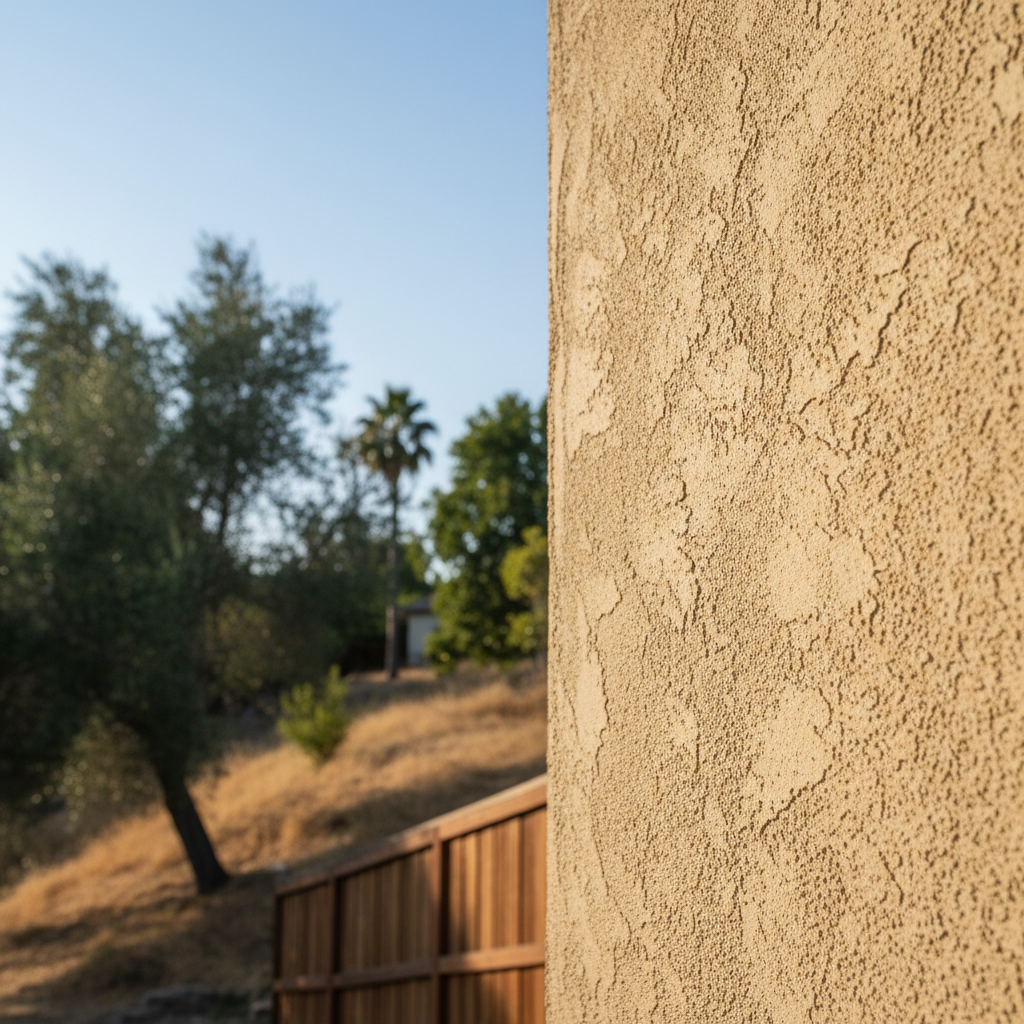
Commercial stucco on a residential property? Sounds a bit odd, doesn't it? But here in Pasadena, especially with some of our older, larger homes or even multi-unit properties, it's actually pretty common for folks to think about using stucco systems usually found on commercial buildings. We're talking about things like cement plaster over rigid insulation, or even some of the tougher EIFS applications that offer better insulation and durability than the old three-coat stuff. It's a different animal than your standard residential stucco, and you really need to know what you're getting into.
Before You Start: Planning & Prep
First off, understand that "commercial stucco" isn't just one thing. It's a broad term for systems built to take more abuse, offer better energy efficiency, or meet specific fire ratings — stuff you probably wouldn't see on a small bungalow. Before you even think about swinging a hammer, you've got to figure out what kind of system you're actually looking at. Is it a heavy-duty traditional cement stucco with a rain screen? Or are you considering an Exterior Insulation and Finish System (EIFS) designed for bigger commercial jobs?
This isn't a DIY job, plain and simple. Not for the installation itself, anyway. You might be able to handle some of the initial prep work, like clearing vegetation away from the foundation or making sure the work area is accessible. Maybe even some minor demolition if it's just removing old trim. But when it comes to the actual stucco system — the lath, the scratch coat, the brown coat, the finish coat, or the EIFS panels and base coats — you're calling a pro. There are simply too many layers, too many specific techniques, and far too many places where water can sneak in if it's not done right. Especially in a place like Pasadena where we get those heavy winter rains; you definitely don't want water behind your walls.
You'll also need to think about permits. Any significant exterior renovation, especially one that involves structural changes or new cladding systems, is going to require city approval. Don't skip this step. It'll save you a headache and potential fines down the road. A good contractor, like us at Oasis Stucco Co, will help you through this whole process.
During the Project: What to Expect
Once you've got your permits and your contractor lined up, the work begins. Expect a construction zone. There will be materials, equipment, and workers. Communication is absolutely key here. Make sure you know who your point of contact is and how often you'll get updates. Don't be afraid to ask questions if something doesn't look right or if you're unsure about a step.
For commercial-grade stucco, the installation process is often more complex and takes longer than a simple patch job. If it's a traditional three-coat system, there are drying times between coats that you just can't rush. If it's EIFS, there's the careful application of insulation boards, then the base coat with mesh, and finally the finish. Each step is critical for the system's performance and longevity, you know?
Your role during this phase is mostly supervisory and communicative. Keep an eye on things, but trust your contractor. They're the experts. Make sure they're cleaning up at the end of each day and protecting your property. If you've got specific landscaping around your home in areas like the Bungalow Heaven district, make sure it's covered and protected from splatter or damage.
After the Project: Maintenance & Longevity
So, the dust has settled, the scaffolding is down, and your home looks fantastic. Now what? Commercial stucco systems are built for durability, but they're not maintenance-free. You'll want to do regular inspections. Walk around your house a couple of times a year, especially after heavy rains or strong winds. Look for cracks, discoloration, or any signs of moisture intrusion around windows, doors, and rooflines.
Minor cracks, especially hairline ones, can often be sealed with an elastomeric sealant. This is something you can do yourself if you're comfortable on a ladder and have a steady hand. Just make sure you get the right type of sealant that's compatible with your stucco finish. For larger cracks, bubbling, or any signs of water damage, that's when you call in the pros again. Don't try to patch significant damage yourself; you could compromise the entire system.
Cleaning is also important. A gentle wash with a garden hose and a soft brush can remove dirt and grime. Avoid high-pressure washers unless you know exactly what you're doing, as they can damage the stucco finish, especially EIFS. If you've got mildew or algae, a mild bleach solution (diluted, of course) can work, but always test it in an inconspicuous area first.
Investing in a commercial-grade stucco system for your home is a big decision, but it can really pay off in terms of durability, insulation, and curb appeal. Just remember, it's a professional job from start to finish for the installation, and smart, consistent maintenance afterward will keep it looking great for decades.